

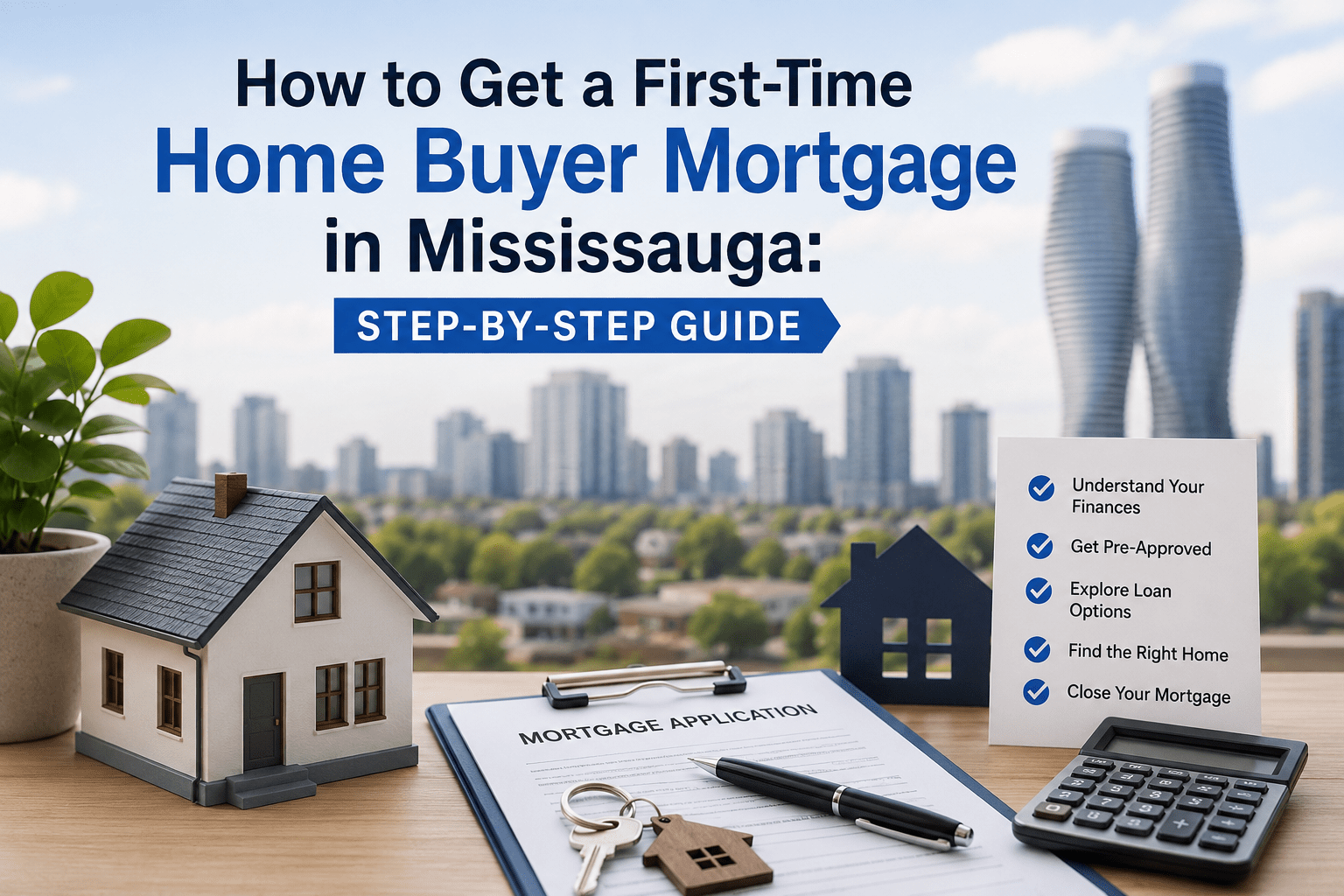
Buying your first home is one of the biggest financial decisions you will ever make. It is exciting, but it can also feel overwhelming when you are trying to understand mortgages, down payments, interest rates, and the approval process. If you are planning to purchase your first home in Mississauga, having a clear roadmap can make the journey much easier.
The good news is that getting a first-time home buyer mortgage in Mississauga does not have to be complicated. Once you understand each step and prepare your finances, you can move through the process with greater confidence. Whether you are looking for a condominium, townhouse, or detached home, knowing what lenders expect will help you make informed decisions.
This guide explains every stage of the mortgage process in simple language. From checking your finances to receiving the keys to your new home, you will understand what to expect and how to improve your chances of mortgage approval.
Step 1: Understand Your Financial Situation
Before you begin searching for homes, take a close look at your financial health. Mortgage lenders want to see that you can comfortably afford your monthly mortgage payments while managing your other financial responsibilities.
Start by reviewing your monthly income, regular expenses, savings, and any outstanding debts. This includes credit card balances, vehicle loans, student loans, or personal loans. Having a clear picture of your finances helps you determine a realistic home buying budget before you speak with a lender or mortgage broker.
It is also a good idea to create a savings plan if you are still building your down payment. Setting aside money consistently can improve your financial position before applying for a mortgage.
Step 2: Check Your Credit Score
Your credit score plays an important role in qualifying for a first-time home buyer mortgage in Mississauga. Lenders use it to understand how responsibly you have managed credit in the past.
A stronger credit score often gives you access to better mortgage rates and more financing options. If your score needs improvement, consider paying your bills on time, reducing outstanding balances, and avoiding unnecessary credit applications before applying for a mortgage.
Review your credit report carefully to make sure there are no errors. Correcting inaccurate information before submitting your mortgage application can prevent unnecessary delays.
Step 3: Save for Your Down Payment
Your down payment is one of the most important parts of purchasing your first home. The amount you need depends on the purchase price of the property and current mortgage regulations in Canada.
Besides the down payment, you should also prepare for additional closing costs. These may include legal fees, land transfer taxes, home inspection costs, title insurance, and moving expenses. Planning for these costs ahead of time prevents financial surprises when your purchase is close to completion.
Many first-time buyers benefit from starting their savings well before they begin shopping for a home. Even small monthly contributions can make a meaningful difference over time.
Step 4: Learn About First-Time Home Buyer Programs
Canada offers several programs that can help first-time buyers make home ownership more affordable. Understanding these programs before purchasing a home may reduce your overall costs.
Depending on your eligibility, you may qualify for government incentives, tax credits, or savings programs designed specifically for first-time home buyers. These programs may help with your down payment, reduce your tax burden, or improve your purchasing power.
A knowledgeable mortgage broker can explain which programs apply to your situation and ensure that you take advantage of every available benefit.
Step 5: Get Pre-Approved for a Mortgage
One of the smartest things you can do before viewing homes is obtaining a mortgage pre-approval.
A mortgage pre-approval gives you an estimate of how much you may be able to borrow based on your financial information. It also shows sellers that you are a serious buyer, which can strengthen your offer in a competitive housing market like Mississauga.
During the pre-approval process, your lender or mortgage broker will typically review documents such as:
- Proof of income
- Employment information
- Recent bank statements
- Credit history
- Identification
- Information about your existing debts
A pre-approval also helps you shop within your budget instead of falling in love with homes that exceed your financial limits.
Step 6: Work With an Experienced Mortgage Broker
Many first-time buyers assume they should visit only their bank for a mortgage. While banks offer mortgage products, a mortgage broker often has access to multiple lenders and financing options.
A mortgage broker compares mortgage rates, lending guidelines, and available products from different financial institutions. This saves you time and may help you find a mortgage that better fits your financial goals.
An experienced mortgage broker also explains unfamiliar terms, answers your questions, and guides you through each stage of the mortgage application. Their expertise can make the process far less stressful, especially if you are purchasing your first home.
Step 7: Start Shopping for Your Home
Once your mortgage pre-approval is complete, you can begin searching for properties within your approved price range.
Think carefully about your current lifestyle as well as your future plans. Consider factors such as commuting distance, schools, public transportation, neighbourhood amenities, and long-term property value. Buying a home is not simply about finding an attractive property. It is about choosing a location that supports your everyday life.
Working with a knowledgeable real estate professional can help you identify homes that meet both your budget and your priorities.
Step 8: Make an Offer
After finding the right home, you will submit an offer to purchase.
Your offer may include conditions such as financing approval or a satisfactory home inspection. These conditions help protect your interests before the purchase becomes legally binding.
If the seller accepts your offer, the mortgage process moves into its next stage. At this point, your lender will begin reviewing the property along with your financial information before issuing final mortgage approval.
Step 9: Complete the Mortgage Approval Process
Receiving a mortgage pre-approval does not guarantee final approval. Once you have an accepted offer, your lender completes a more detailed review.
They may request updated financial documents, verify your employment, and arrange for a property appraisal to confirm the home’s market value. Responding quickly to document requests helps avoid unnecessary delays before closing.
During this stage, avoid making major financial changes. Purchasing a vehicle, opening new credit accounts, or changing jobs may affect your mortgage approval.
Step 10: Close on Your New Home
The closing process is the final step before you officially become a homeowner.
Your lawyer will prepare the legal paperwork, transfer ownership, and ensure that all closing requirements have been completed. Once everything has been finalized and the funds have been transferred, you will receive the keys to your new home.
Although closing day is exciting, staying organized throughout the process helps everything move smoothly.
Common Mistakes First-Time Home Buyers Should Avoid
Many first-time buyers make avoidable mistakes simply because they are unfamiliar with the mortgage process.
One common mistake is shopping for homes before understanding how much they can realistically afford. This often leads to disappointment later in the process. Another mistake is focusing only on the monthly mortgage payment without considering property taxes, utilities, insurance, and maintenance costs.
Some buyers also make large purchases after receiving mortgage pre-approval. Taking on additional debt before closing can affect your mortgage qualification. Finally, waiting until the last minute to gather financial documents can slow down the approval process and create unnecessary stress.
Tips to Improve Your Mortgage Approval Chances
Preparing before you apply can significantly improve your chances of mortgage approval.
Pay your bills on time and reduce outstanding debt whenever possible. Maintain stable employment and avoid changing jobs during the mortgage process unless necessary. Continue saving money even after receiving mortgage pre-approval because unexpected expenses may arise before closing.
It is equally important to work with professionals who understand the Mississauga housing market. Their experience can help you avoid costly mistakes while identifying mortgage solutions that fit your financial situation.
Why Mississauga Is a Great Place for First-Time Buyers
Mississauga continues to attract first-time home buyers because of its strong communities, convenient transportation, growing employment opportunities, and excellent public amenities.
The city offers a wide range of housing options, from modern condominiums to family-friendly neighbourhoods. Its proximity to Toronto makes it an attractive choice for professionals who want access to major employment centres while enjoying a diverse and well-developed community.
Although home prices can be competitive, careful planning and the right mortgage strategy can help first-time buyers successfully enter the market.
Final Thoughts
Getting a first-time home buyer mortgage in Mississauga becomes much more manageable when you understand the process and prepare in advance. Building your savings, maintaining good credit, obtaining mortgage pre-approval, and working with an experienced mortgage broker all contribute to a smoother home buying experience.
Every buyer’s financial situation is unique, which is why personalized guidance is valuable throughout the journey. By taking each step carefully and making informed decisions, you can move closer to purchasing your first home with confidence and long-term financial stability. This preparation not only improves your chances of mortgage approval but also helps you begin home ownership on a strong financial foundation.
Frequently Asked Questions
How much down payment does a first-time home buyer need in Mississauga?
The minimum down payment depends on the purchase price of the home and Canadian mortgage regulations. Your mortgage broker can explain the exact requirements based on your situation.
Can I get a mortgage with a lower credit score?
Yes, it is possible. Some lenders offer mortgage solutions for buyers with less-than-perfect credit, although the available interest rates and conditions may differ.
How long does mortgage approval take?
The timeline varies depending on the lender and the complexity of your application. Having your financial documents ready can help speed up the process.
Should I get pre-approved before looking at homes?
Yes. Mortgage pre-approval helps you understand your budget and demonstrates to sellers that you are financially prepared to purchase a home.
Is using a mortgage broker better than applying directly with a bank?
A mortgage broker can compare multiple lenders and mortgage products, giving you access to more options than you may receive from a single financial institution.
